
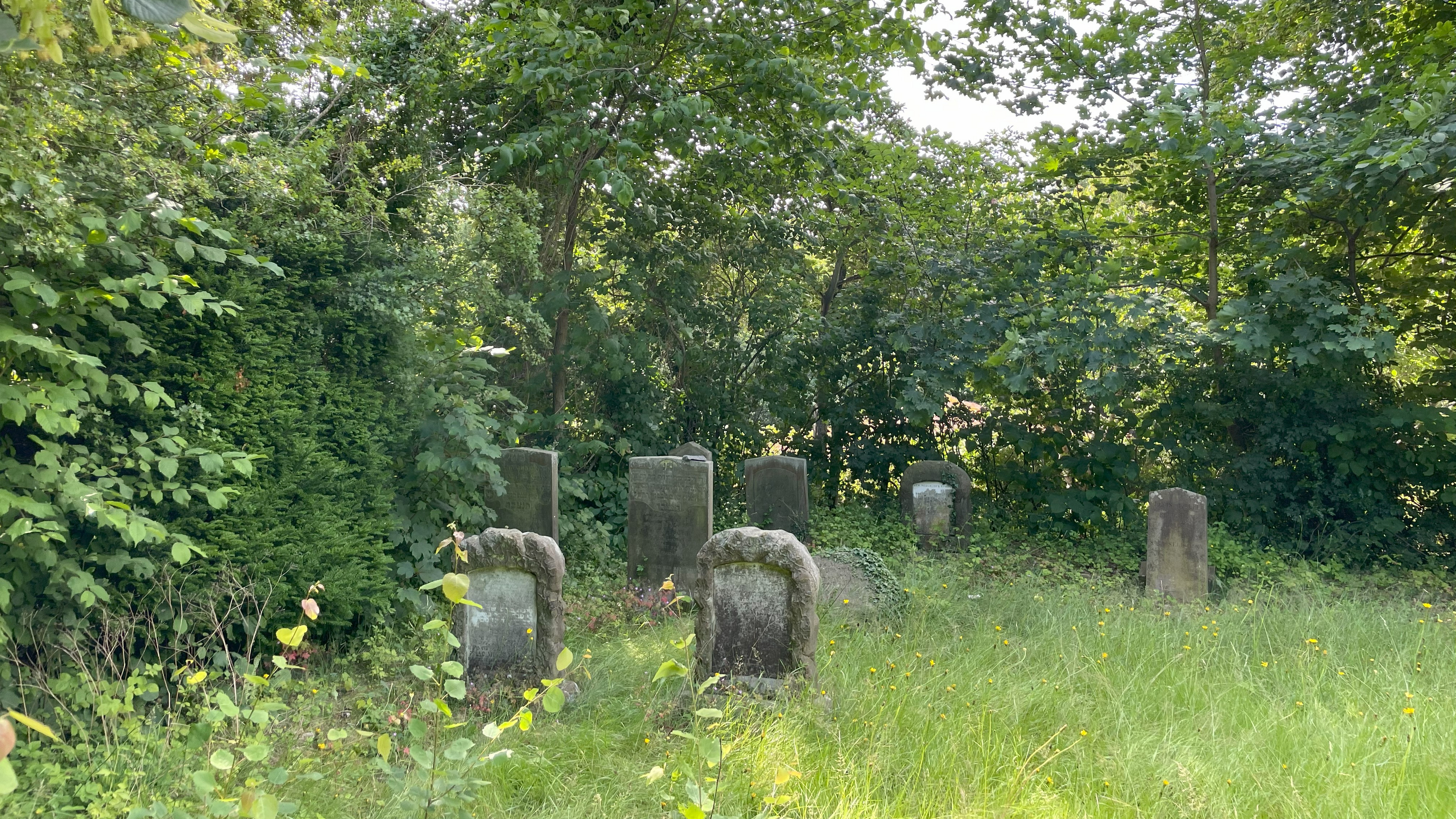
The cemetery in Assens
05 August – 11 September 2025
Exhibition period
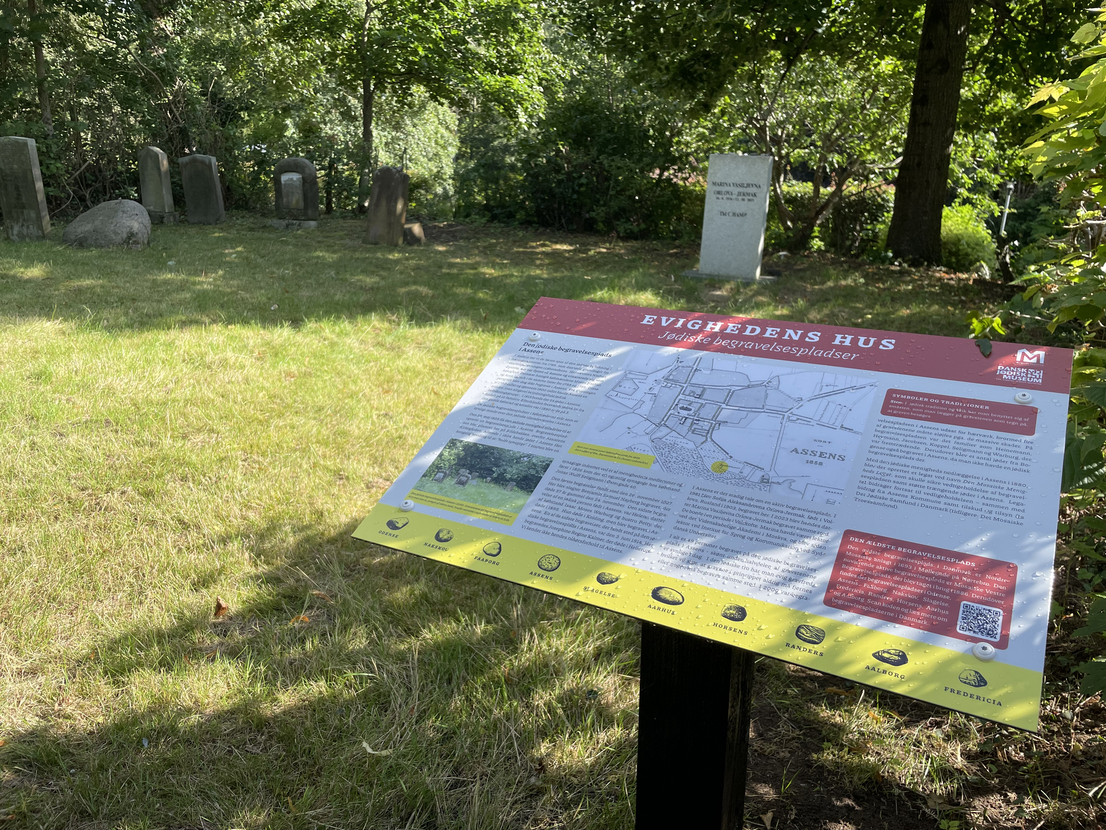
The traveling exhibition 'The House of Eternity' was open to visitors every day from 10 am to 16 pm during the period from August 05 to September 11, 2025. The exhibition was located in front of Assens Customs House, Nordre Havnevej 19, 5610 Assens. The burial site is located at Kildebakken, Assens.
Jewish life in Assens
Jewish life in Assens began in 1790, when Nathan Epstein was first mentioned in the food tariffs, which formed the basis for tax payments. He had moved to Assens and made a living as a merchant. The merchants, Moses Nathan and Aron Larsch, appeared in the same lists for the years 1793 and 1795. However, neither of them was buried in Assens. In 1815, 54 Jews lived in Assens, divided into 10 families. Gradually, Jewish life disappeared from the old market town and in 1880 the number was down to 3 people.
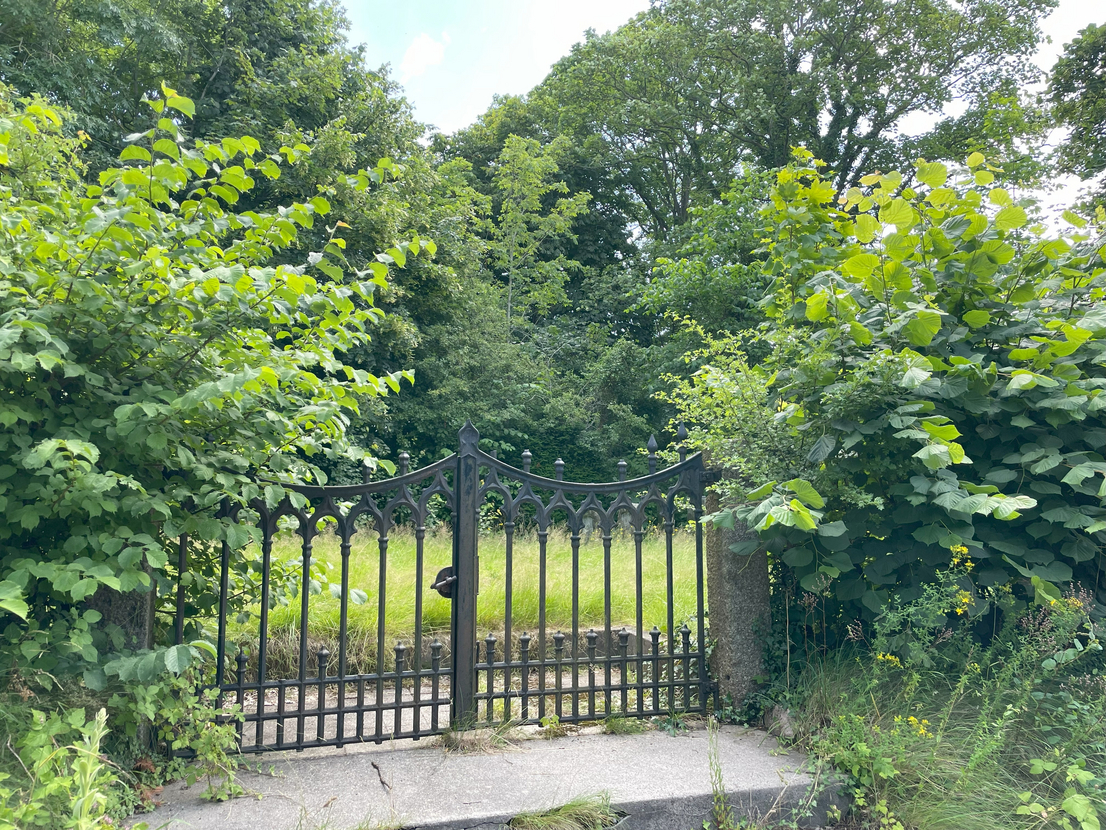
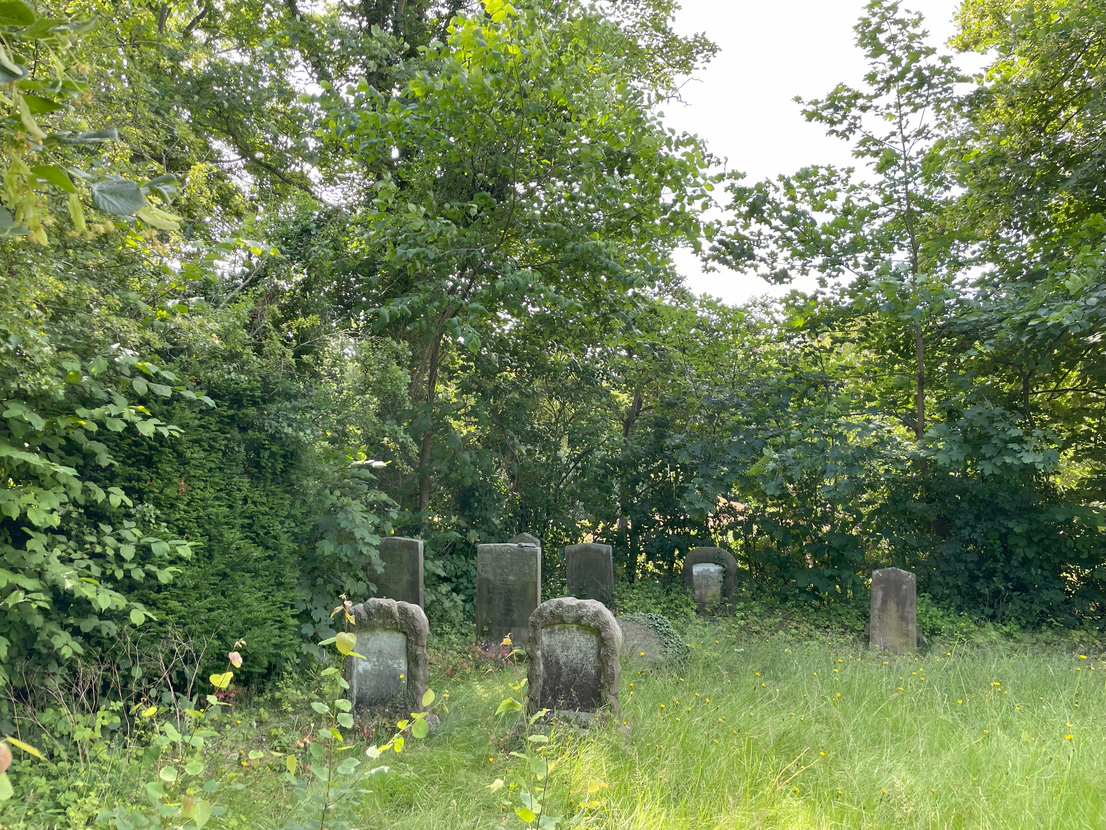
On May 28, 1825, the Jewish congregation received permission to establish a burial ground in Assens. The burial ground was located on Kildebakken, next to Assistens Cemetery, or Assens Old Cemetery as it is known today. As early as 1804, the Jewish congregation in Assens had received royal permission to “hold a synagogue”. Initially, a synagogue was set up at the home of one of the congregation’s members, and it was not until 1826 that an actual synagogue was built at the home of merchant Jonas Wulff Seligmann at Østergade 40. After Seligmann’s death in 1847, it reportedly moved to premises in a house owned by skipper Rasmus Hansen Thygesen at Ladegårdsgade.
The first and last funeral
The first burial took place on November 26, 1827. Butcher Benjamin Samuel Nayberg was buried here, who died at the age of 57 on November 24. The last burial of a Jewish person born in Assens was Helene, daughter of merchant Isaac Moses Warburg and wife Betty. Helene died in Kolding in 1895 at the age of 69, but was buried in Assens. There have been a few burials since.
On June 3, 1914, Josephine Regine Kalmer, who died in Hellerup, was buried in Assens. We do not know her affiliation with the city. Then two more people were buried in 1981 and as late as 2023, respectively. So it is still an active burial ground.
Assens during the war
On October 1, 1943, Judge Julius J. Moritz (1882-1945) and his younger sister Judith (1893-1974) were arrested by German SS soldiers at their home at Nørregade 59 and deported to Theresienstadt. Judith survived the war, but Julius died in Theresienstadt on April 8, 1945, and was buried at the Mosaisk Vestre Begravelsesplads in Copenhagen. They were both immigrants to the city.
22 other mainly young Jews, who had come to the country as agricultural apprentices and so-called Aliya children fleeing Nazi persecution, were also taken and deported to Theresienstadt. Three returned to the Assens area after the war, where they settled.
The Mosaic Congregation's Endowment
With the closure of the old Jewish congregation in Assens in 1880, a foundation was established called the Mosaic Congregation Foundation, which was to ensure the maintenance of the cemetery and support needy Jews in Assens. The foundation continues to contribute to the maintenance – together with contributions from the Municipality of Assens and with subsidies and supervision from the Jewish Community in Denmark.
The video below was produced by Museum Vestfyn for the exhibition.
About the project
The project is supported by pool funds from the Danish Agency for Palaces and Culture and is carried out in collaboration between the Danish Jewish Museum and local actors in the ten cities with burial grounds.
The project runs from 2025 - 2028